
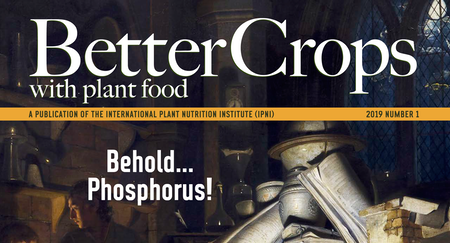
Final Issue of Better Crops with Plant Food
As 2019 marks the 350th anniversary of Hennig Brandt’s discovery of phosphorus (P), it is a time to reflect back on the number of significant scientific advancements that have followed.
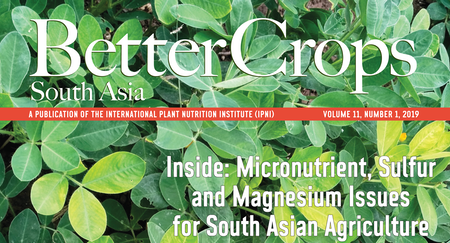
Better Crops South Asia - 2019, No. 1
Plant Nutrition Today
Our weekly highlighted article is "Nutrient Management for Successful Cover Crops" by Dr. Heidi Peterson.
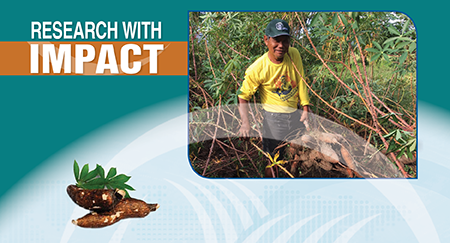
Improving Cassava Yield and Profitability in the Philippines
Cassava’s rising demand for use as food, animal feed, and industrial purposes encourages farmers to increase production. Improved fertilizer practices are necessary to provide. cassava with nutrients needed to produce higher yields, increase farmers’ income, and reverse soil degradation.
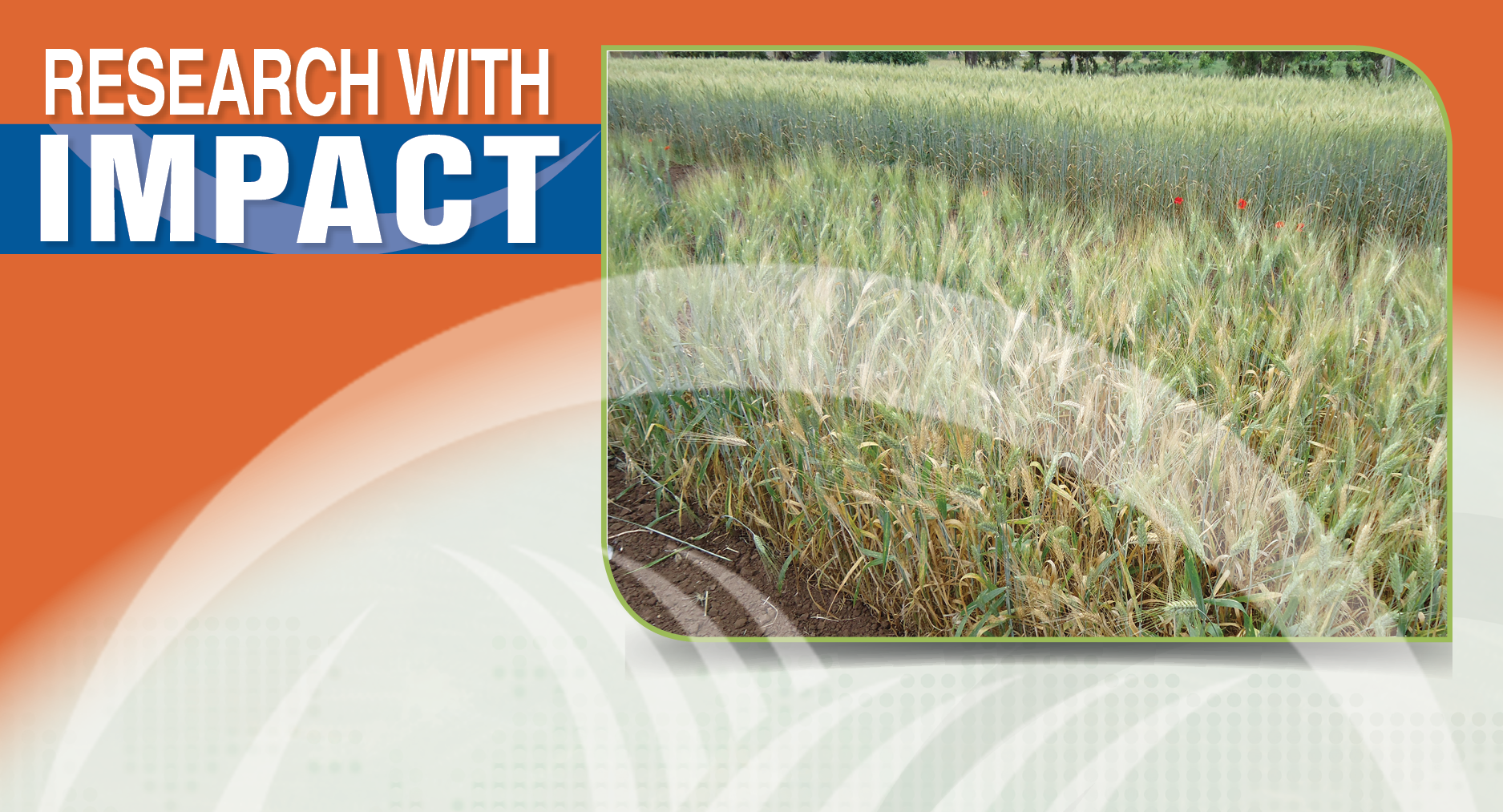
Improved Plant Nutrition Helps Moroccan Farmers Control Wheat Crown Rot
Wheat crown rot is a fungal disease that results in significant economic loss in Morocco and in wheat-growing areas around the world. The disease causes the heads of wheat plants to turn white and die prematurely. Efforts to control crown rot have been limited by a poor understanding of the interacting factors associated with crop management and disease development, especially the benefits of balanced nutrition.
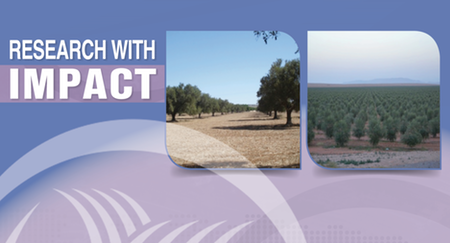
Research with Impact
Olives are one of the most important fruit crops in Morocco. The country’s fruit production has nearly doubled in the last ten years. But this higher production is mainly due to increased tree planting as yields remain low. Nutrient deficiencies and imbalanced fertilization remain a primary constraint to higher yields. IPNI cooperated within a study that evaluated current farmer practices for 36 olive orchards.
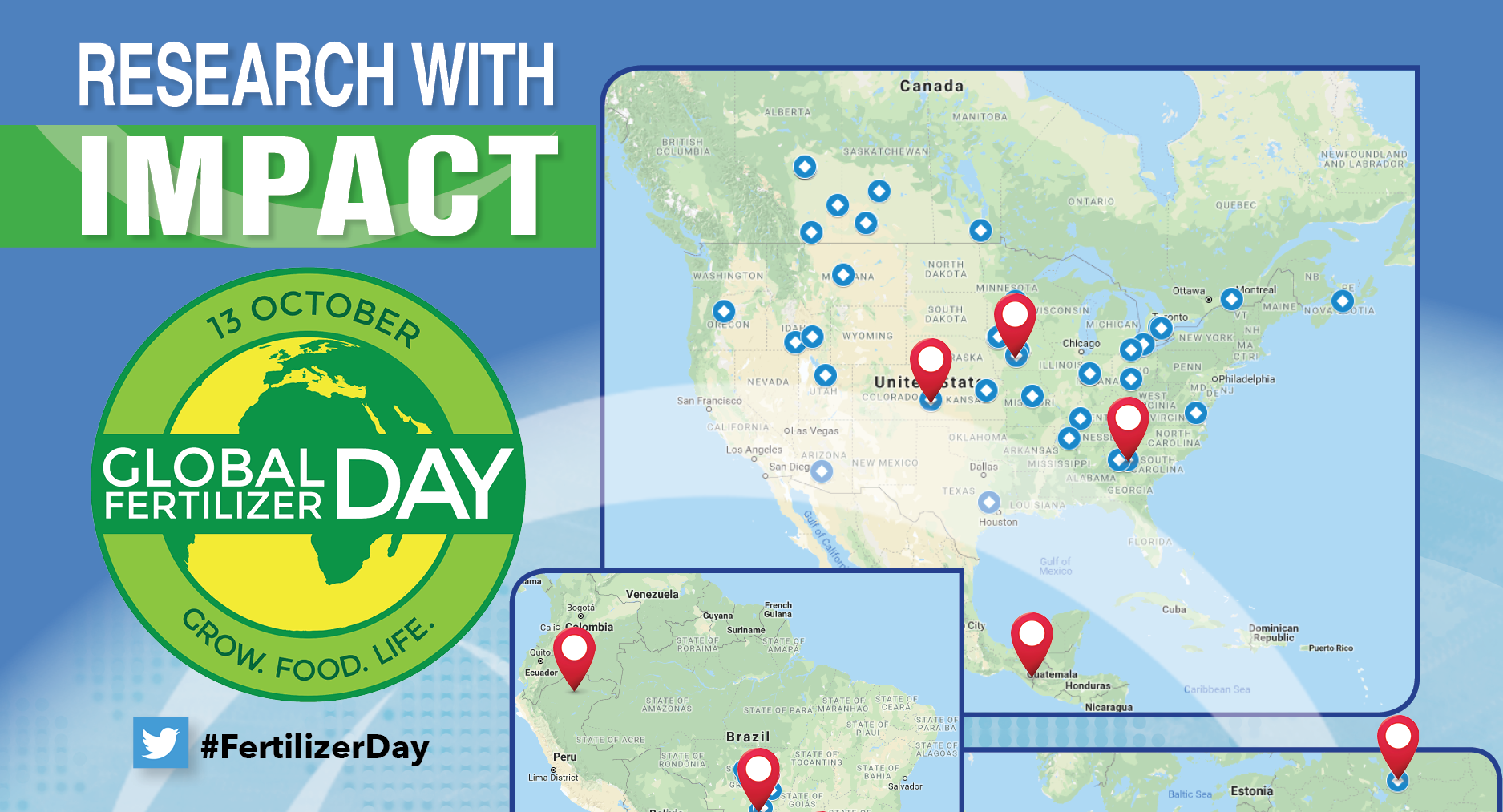
A Closer Look at Fertilizer Research
This year IPNI supported more than 130 projects aimed at improving the use of fertilizers. In honor of Global Fertilizer Day take a look at the impact of our fertilizer research!

2018 IPNI Catalog
Download the new 2018 catalog of educational materials from the International Plant Nutrition Institute. The catalog is complete with order forms and instructions on ordering from IPNI.
Publications
Research
News & Information
Note
Questions about past IPNI operations and projects can be forwarded to the International Fertilizer Association, The Fertilizer Institute, or Fertilizer Canada.